
A Spiritual Journey to One of Tamil Nadu’s Hidden Gems
Introduction:
In the heart of Ramanathapuram, a city deeply rooted in the spiritual and cultural heritage of Tamil Nadu, lies a temple that holds immense significance for both devotees and history enthusiasts alike. While the famous Ramanathaswamy Temple in nearby Rameswaram often takes the spotlight, the Ramanathapuram Temple, dedicated to Lord Shiva, also offers a unique and peaceful spiritual experience. This lesser-known gem is a must-visit for travelers looking to explore the ancient temples of South India, away from the crowds, while still immersing themselves in the deep spirituality and traditional rituals of Tamil Nadu.
If you are planning a trip to Tamil Nadu with SRI Tours Travels, this temple, located in the town of Ramanathapuram, offers both historical significance and a serene environment for spiritual reflection. In this blog post, we’ll take you on a journey to understand the history, architecture, rituals, and festivals associated with the Ramanathapuram Temple.
1. The Spiritual Importance of Ramanathapuram Temple
The Ramanathapuram Temple, dedicated to Lord Shiva, holds great spiritual significance for the local community and is an important center of worship in the region. The temple is considered a place of profound peace and devotion, attracting pilgrims who wish to seek blessings for health, prosperity, and spiritual well-being.
Situated amidst the serene surroundings of Ramanathapuram, this temple has been an integral part of the spiritual landscape for centuries. While not as renowned as the Ramanathaswamy Temple in Rameswaram, it has its own unique charm and attracts visitors looking for a more intimate, tranquil experience.
2. Architectural Beauty: A Glimpse into Dravidian Style
The Ramanathapuram Temple features the classic elements of Dravidian architecture, which is renowned for its intricate carvings, towering gopurams (gateway towers), and massive stone structures. The temple’s architectural style is characteristic of the Chola and Pandya dynasties, which were major patrons of temple building in South India.
A. The Main Sanctum (Garbhagriha)
The temple’s sanctum, housing the Shiva Lingam, is the focal point of worship. The tranquil ambiance inside the sanctum helps devotees focus on their prayers and rituals. The sacred lingam is an important symbol of Lord Shiva, representing the formless and infinite nature of the divine.
B. Pillars and Sculptures
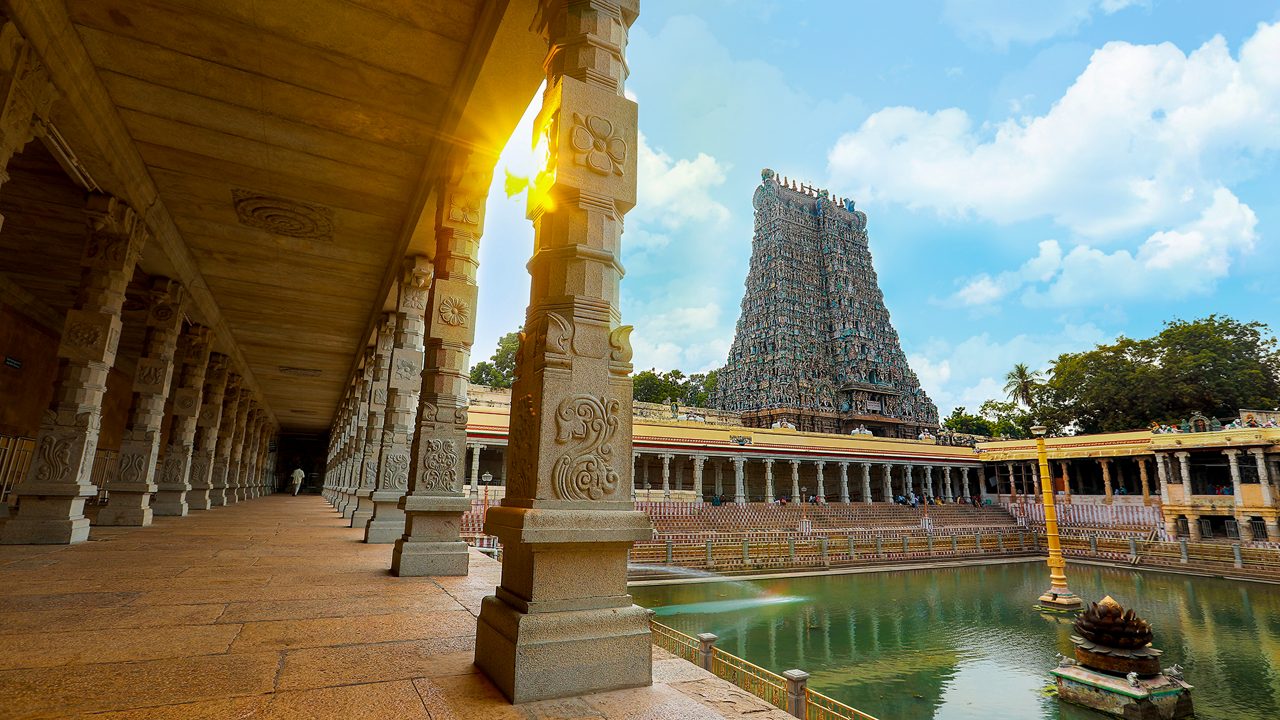
As with most South Indian temples, the Ramanathapuram Temple is adorned with beautifully carved pillars, sculptures, and murals depicting various Hindu deities, saints, and mythological stories. The pillared hall (Mahamandapam) is one of the most impressive features of the temple, with columns carved from granite stones, each telling a story from Hindu mythology.
C. The Gopuram
The temple’s gopuram, the tower at the entrance, is a beautiful example of Dravidian-style architecture. Rising high above the temple, the gopuram is adorned with images of various gods and goddesses, guiding the way to the sanctum and offering a glimpse into the divine world. The intricate carvings and vibrant colors give the temple an inviting and sacred atmosphere.
3. Rituals and Pujas: Devotion at Its Best
The Ramanathapuram Temple follows traditional Hindu rituals and pujas, which play a central role in its daily activities. Devotees visit the temple to offer their prayers to Lord Shiva, and the temple priests perform daily ceremonies to maintain the sacred rhythm of worship.
A. Morning and Evening Aartis
One of the most beautiful rituals at the temple is the morning aarti, a devotional song offered to Lord Shiva. Early risers can witness this vibrant event as priests chant mantras while offering flowers, incense, and lamps. The evening aarti is another spiritual experience, where the temple is beautifully lit with oil lamps, and the sounds of the chants echo through the halls, creating an atmosphere of devotion and tranquility.
B. Abhishekam (Ritual Bath)
One of the key rituals in the temple is the Abhishekam—a sacred bathing of the Shiva Lingam. During this ceremony, milk, honey, and water are poured over the Shiva Lingam, accompanied by the chanting of sacred hymns. Devotees believe that participating in this ritual brings them closer to Lord Shiva and purifies them spiritually.
4. Festivals at Ramanathapuram Temple: A Cultural Celebration
The Ramanathapuram Temple is known for its vibrant celebrations of Hindu festivals, attracting pilgrims from far and wide. The temple’s festivals are deeply rooted in tradition and are celebrated with great enthusiasm and devotion.
A. Maha Shivaratri
Maha Shivaratri, the night of Lord Shiva, is the most significant festival at the Ramanathapuram Temple. Devotees fast and engage in night-long prayers, chanting Shiva mantras and performing rituals to please Lord Shiva. The temple is beautifully illuminated, and the entire night is filled with chants of Om Namah Shivaya, creating a mystical and spiritual atmosphere.
B. Navaratri and Dussehra
The festival of Navaratri, dedicated to Goddess Durga, is also celebrated with great pomp at the Ramanathapuram Temple. The nine nights of the festival are marked by special prayers, rituals, and cultural performances, including classical dance and music. The temple comes alive with colors, lights, and decorations, and the air is filled with devotion and joy.
C. Karthikai Deepam
During the month of Karthikai (November–December), the Ramanathapuram Temple celebrates Karthikai Deepam, a festival of lights. Lamps are lit throughout the temple complex and the surrounding town, symbolizing the victory of light over darkness. Devotees light oil lamps at their homes and temples, creating a mesmerizing sight in the evenings.
5. Pilgrimage Experience: Why Visit Ramanathapuram Temple?
Ramanathapuram Temple offers an experience unlike any other, particularly for those seeking a deeper spiritual connection without the heavy crowds. Whether you are visiting for spiritual solace, architectural admiration, or simply to experience the culture and heritage of Tamil Nadu, this temple offers a unique perspective on the region’s deep-rooted religious traditions.
A. Peaceful and Serene Atmosphere
Unlike the bustling pilgrimage centers of Tamil Nadu, Ramanathapuram Temple offers a more serene and peaceful environment for worship. Visitors can take their time to explore the temple, meditate, or simply reflect in the tranquility of the sacred space.
B. Spiritual Healing and Blessings
Many visitors to the temple come seeking healing and blessings from Lord Shiva. The temple’s calming atmosphere, combined with the power of prayer and ritual, offers a transformative experience for those who visit with a devoted heart.