
The Temple City of Tamil Nadu – A Journey Through History and Culture
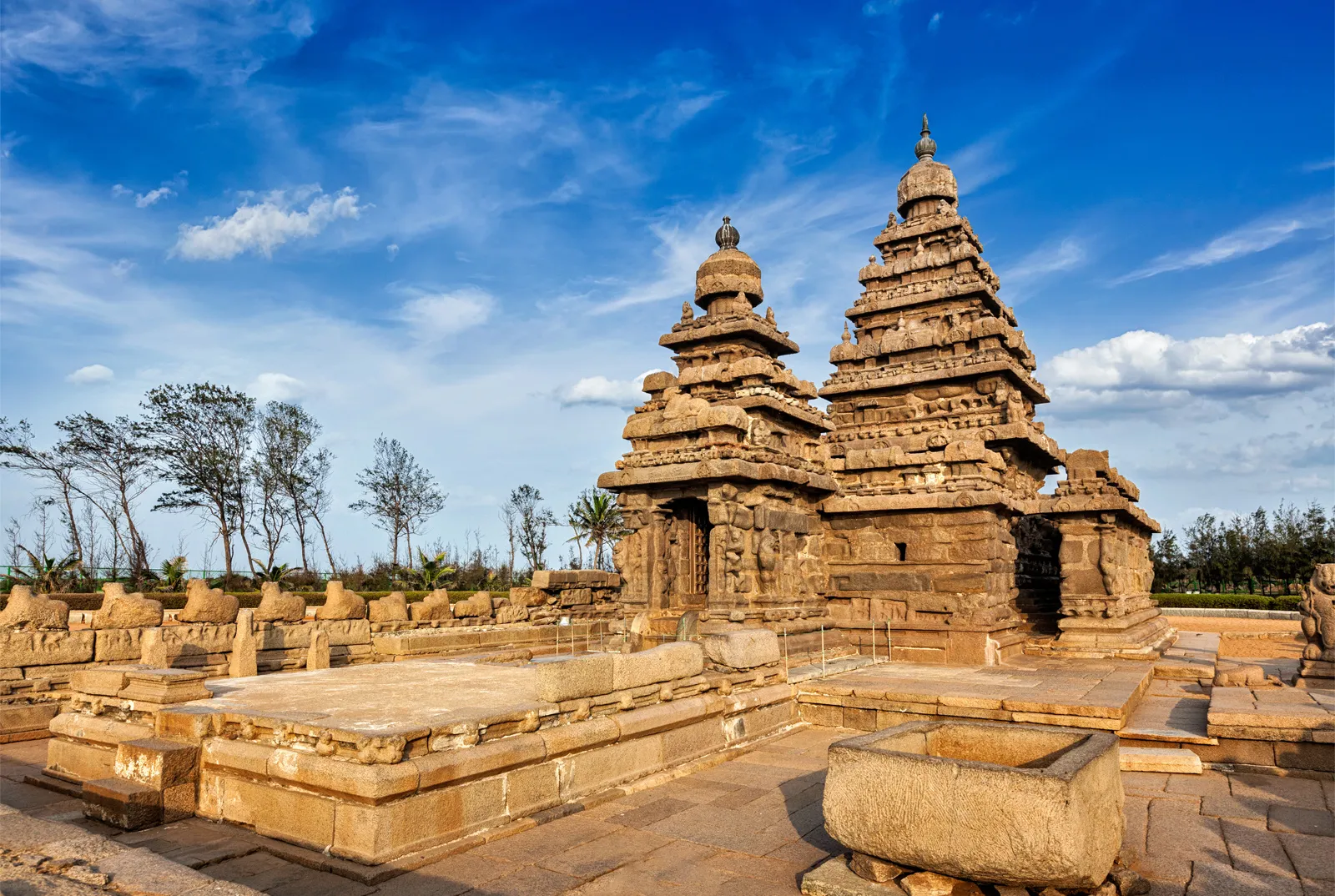
Madurai, often referred to as the “Temple City” or “City of Temples,” is one of the oldest and most historically significant cities in India. Located in the southern state of Tamil Nadu, Madurai offers a rare glimpse into the rich heritage, culture, and spiritual life of South India. Known for its magnificent temples, ancient monuments, and vibrant local traditions, Madurai is a perfect destination for travelers seeking to immerse themselves in the depth of India’s spiritual and historical tapestry.
This blog is your ultimate guide to exploring Madurai—its temples, historical sites, cultural experiences, and much more. Whether you’re a history enthusiast, a spiritual seeker, or simply someone looking to experience the true essence of Tamil Nadu, Madurai has something special to offer.
1. The Heart of Madurai: Meenakshi Amman Temple
Undoubtedly the most iconic landmark of Madurai, the Meenakshi Amman Temple is the heart of the city. This ancient temple complex, dedicated to Goddess Meenakshi (an incarnation of Goddess Parvati) and Lord Sundareswarar (an incarnation of Lord Shiva), dates back over 2,500 years and is a symbol of the spiritual and architectural grandeur of South India. With its towering gopurams (gateway towers), intricate carvings, and sacred sanctums, the temple is an architectural marvel and one of the largest in India.
The Gopurams and Temple Architecture
The temple is renowned for its stunning Dravidian architecture, characterized by colorful and detailed sculptures on the temple’s towering gopurams. The South Gopuram stands at a height of 170 feet and is adorned with thousands of painted sculptures, each representing gods, goddesses, animals, and mythological figures. The artwork is so intricate that it’s easy to lose track of time just marveling at the details.
The Sacred Tanks and Rituals
One of the most significant features of the Meenakshi Temple is the Golden Lotus Tank (Puthu Veli). According to legend, this tank was built to represent the lotus where Lord Shiva and Goddess Meenakshi were married. The daily evening rituals held here are awe-inspiring, where the deities are taken out in a procession as part of the temple’s sacred practices.
Tip: Be sure to witness the Aarti (ritual prayers) during your visit, as it’s an emotional and spiritually enriching experience.
2. Thirumalai Nayak Palace: A Royal Heritage
A short distance from the Meenakshi Temple lies the Thirumalai Nayak Palace, one of the finest examples of Indo-Saracenic architecture in India. Built in the 17th century by King Thirumalai Nayak, this palace was once a grand residence that rivaled the architectural splendor of European palaces.
Exploring the Palace
While only a portion of the original palace remains today, the magnificent columns, beautifully decorated ceilings, and spacious courtyards still offer a glimpse of its former grandeur. The palace was designed by the renowned architect William Austin, blending both Hindu and Islamic styles of architecture.
One of the most striking features of the palace is the main hall, which has 12 massive pillars and an awe-inspiring ceiling painted with intricate designs. The King’s Room and the Queen’s Chamber further highlight the opulence of the royal family. Visitors can also explore the light and sound show in the evenings, which narrates the history of the palace, adding a layer of drama to its already captivating architecture.
3. Alagar Kovil: The Temple on the Hill
Situated 21 kilometers from Madurai, Alagar Kovil is another significant religious site in the region. This temple, dedicated to Lord Vishnu, is perched atop a hill and offers stunning views of the surrounding landscapes. Known for its peaceful ambiance, the temple is less crowded than the Meenakshi Temple and provides an ideal spot for contemplation and devotion.
Climbing the Hill and the Temple’s History
Visitors can take a leisurely walk up the hill to reach the temple, which is situated in the lush surroundings of the Alagar Hills. The temple is particularly known for its serene atmosphere and beautiful architecture. The Alagar Kovil Festival, held every year during the Tamil month of Chittirai (April-May), is one of the most important festivals here, attracting pilgrims and tourists alike.
4. The Gandhi Museum: A Tribute to the Father of the Nation
For those interested in India’s struggle for independence, the Gandhi Museum in Madurai offers an insightful experience. Located in the Rani Mangammal Mahal, the museum showcases a collection of photographs, artifacts, and letters that reflect the life and contributions of Mahatma Gandhi, the Father of the Nation.
The museum is divided into several sections, each focusing on a different aspect of India’s freedom struggle, including the Salt Satyagraha, Quit India Movement, and Gandhi’s role in South India. The museum also displays personal belongings of Gandhi, such as his famous spinning wheel (Charkha), clothes, and spectacles.
5. Vandiyur Mariamman Teppakulam: The Sacred Tank
Located about 5 kilometers from the Meenakshi Temple, Vandiyur Mariamman Teppakulam is one of the largest temple tanks in India. The tank, built by King Thirumalai Nayak, serves as the venue for the annual Teppam (Float) Festival, during which the Meenakshi Amman idol is floated on a beautifully decorated float across the tank.
The tank itself is vast, with a circumference of around 2.5 kilometers, and it’s surrounded by beautifully landscaped gardens. During the festival, devotees and tourists gather to watch the temple procession, which is accompanied by music and chanting.